Supervision & Reflective Practice
For coaches and consultants working with complexity
A space to think about the work — and your place within it
As a coach or consultant, you are never simply an outside observer when you work with people and organisations. You are inside the relationships, the dynamics and the patterns that are unfolding. That brings both possibility and responsibility.
Supervision creates the space to look at all of that – not to resolve it quickly, but to understand it more fully.
Most importantly, supervision is not an assessment, nor is it direction. It is a thoughtful, reflective space alongside your practice.
Somewhere to:
slow down and think clearly
explore what is happening beneath the surface of your work
and strengthen your own judgement and presence as a practitioner
What supervision offers
Over time, most of us encounter moments where:
something in the work feels unclear or stuck
a client relationship becomes more complex than expected
our own reactions are stronger than we'd anticipated
or the wider system begins to pull on us in ways we didn't see coming
These moments are not signs of failure. They are part of working at depth with people and organisations.
Supervision is where you bring them – not to be told what to do, but to see more clearly and act with greater intention.
How this works in practice
My supervision practice draws on over 25 years of coaching and consulting experience, alongside work training and supervising consultants across many different contexts.
I integrate a range of approaches – including Organisational Role Analysis and systemic and relational coaching practices – working across different layers of your practice, from the organisational system to your own inner response to it.
I work from the belief that practitioners grow through reflection, awareness and ongoing learning. Supervision is not separate from your work — it is part of how your practice deepens over time.
Together, we can explore:
the systems and dynamics you are working within
your role and how it is being shaped by the work
the patterns and assumptions influencing your thinking
how your strengths are showing up – and where they may be overextended
the choices available to you in how you respond
Working with the Positive Intelligence framework
A particular thread running through my work is attention to the habitual patterns of thinking and reacting that shape how we practise. Through the Positive Intelligence framework, we can identify and work with the specific mental patterns – sometimes called "saboteurs" – that influence how you respond under pressure.
These patterns are often closely linked to your strengths. They are not flaws to eliminate, but dynamics to understand and work with more skilfully. Developing that awareness can help you respond with greater clarity under pressure, stay grounded in challenging situations, and access a steadier sense of your own judgement.
What good supervision does
Coaches and consultants I work with often find supervision valuable as a place to:
think through complex or high-stakes client work
step back from immediate pressure and see the bigger picture
explore their own responses and patterns in the work
build confidence in their professional judgement
reconnect with purpose, clarity and direction
It is both a place of support and a place of stretch.
Working together
I work with a small number of coaches and consultants on an ongoing or periodic basis.
If you are curious about whether this might be right for you, I offer an initial conversation, the option to complete a Positive Intelligence assessment, and a first supervision session to explore what emerges. From there, we decide together what would be most useful.
If this resonates with how you want to work and develop your practice – I'd love to hear from you.
Latest blog posts
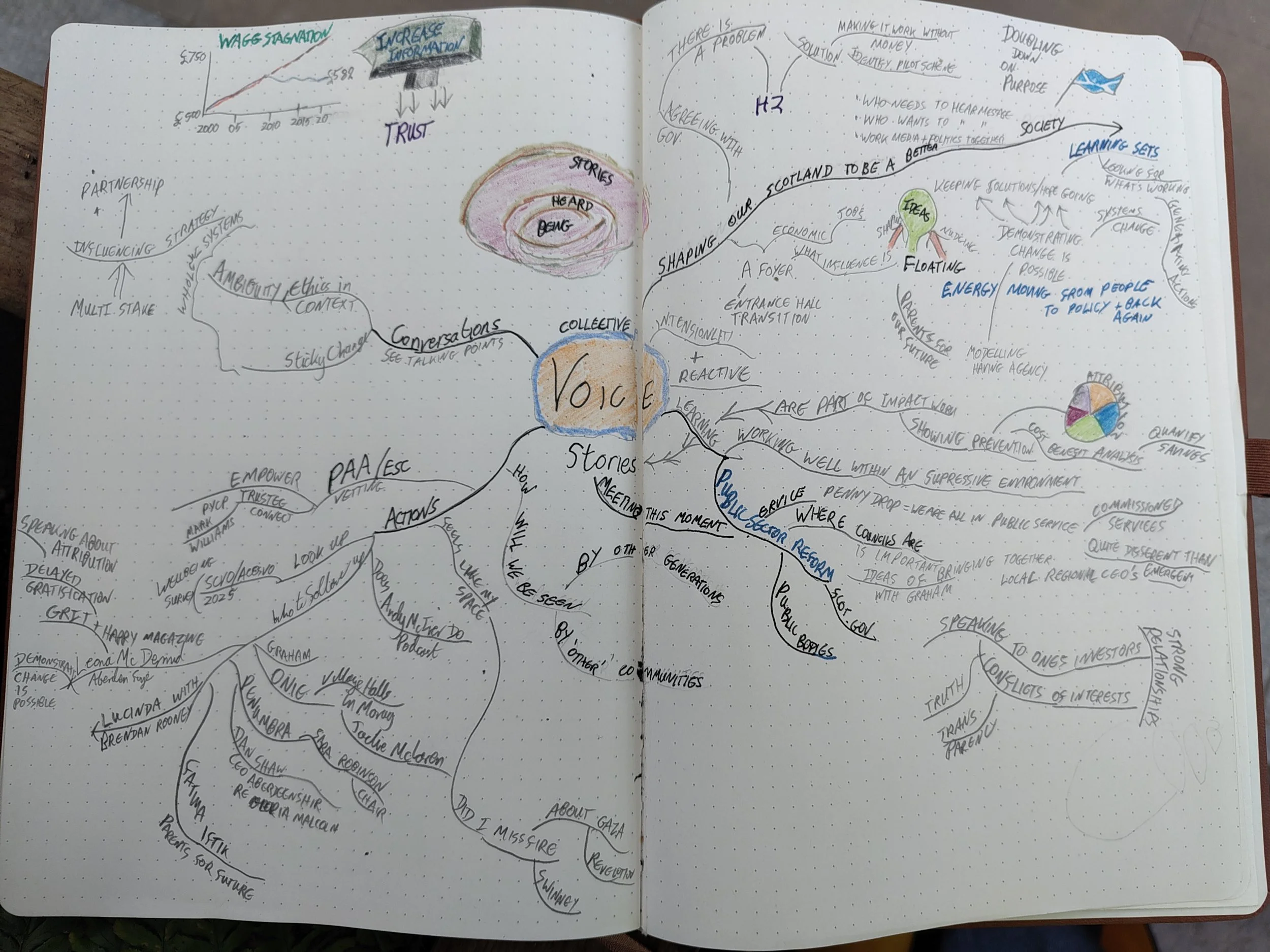

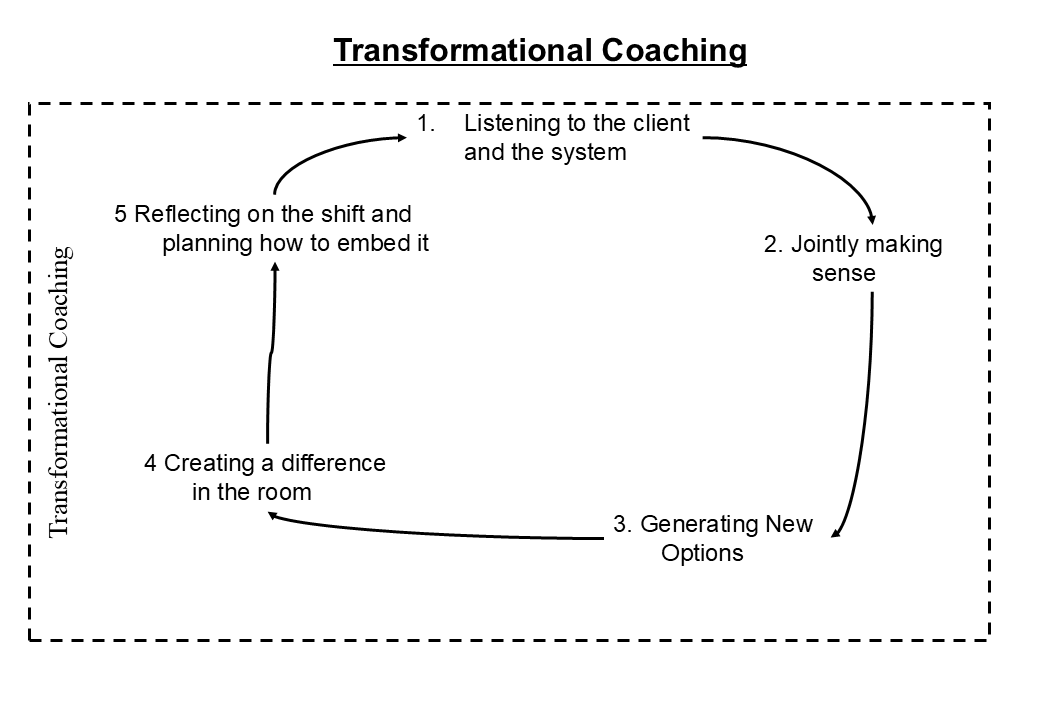


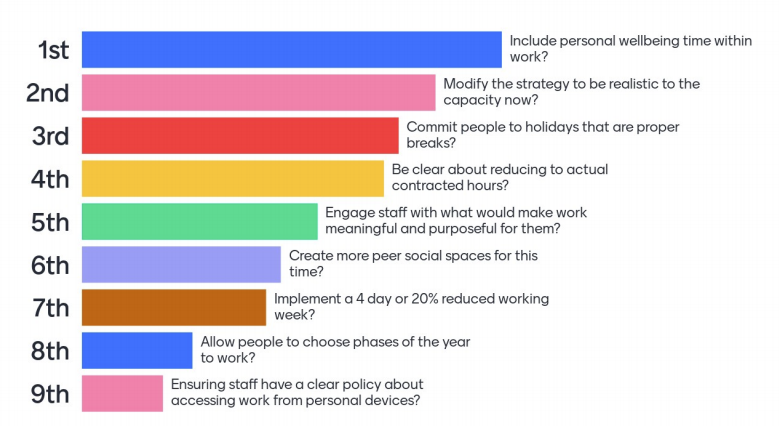


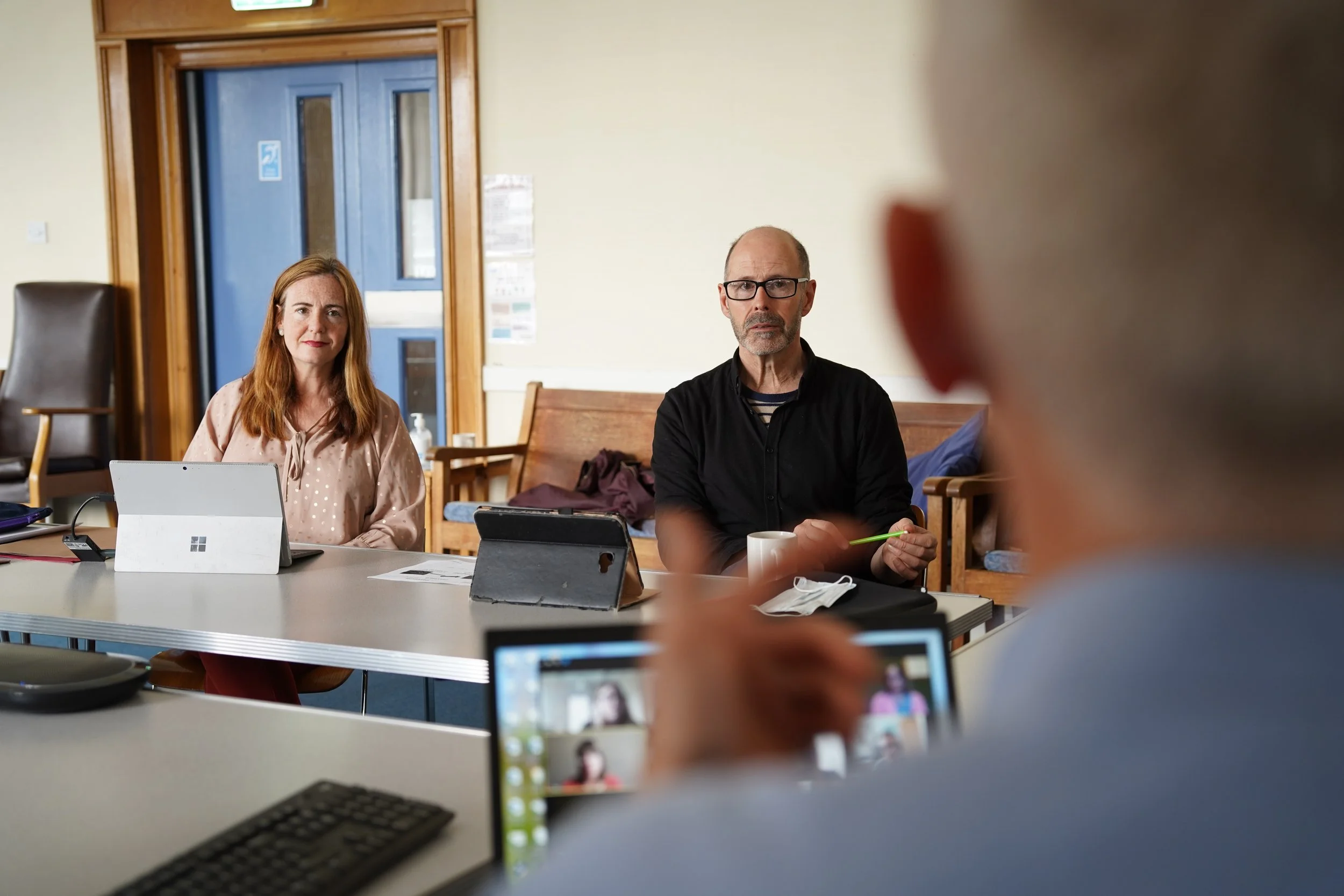


Hybrid Working is a game changer for culture change in the future of workplaces. This article explains a really useful tool for successful facilitation of deeply difficult issues involving culture change. It offers a way of ‘re-planning your strategy’ and ‘analysing how things go off piste’, A healthy learning culture can be built using this tool.